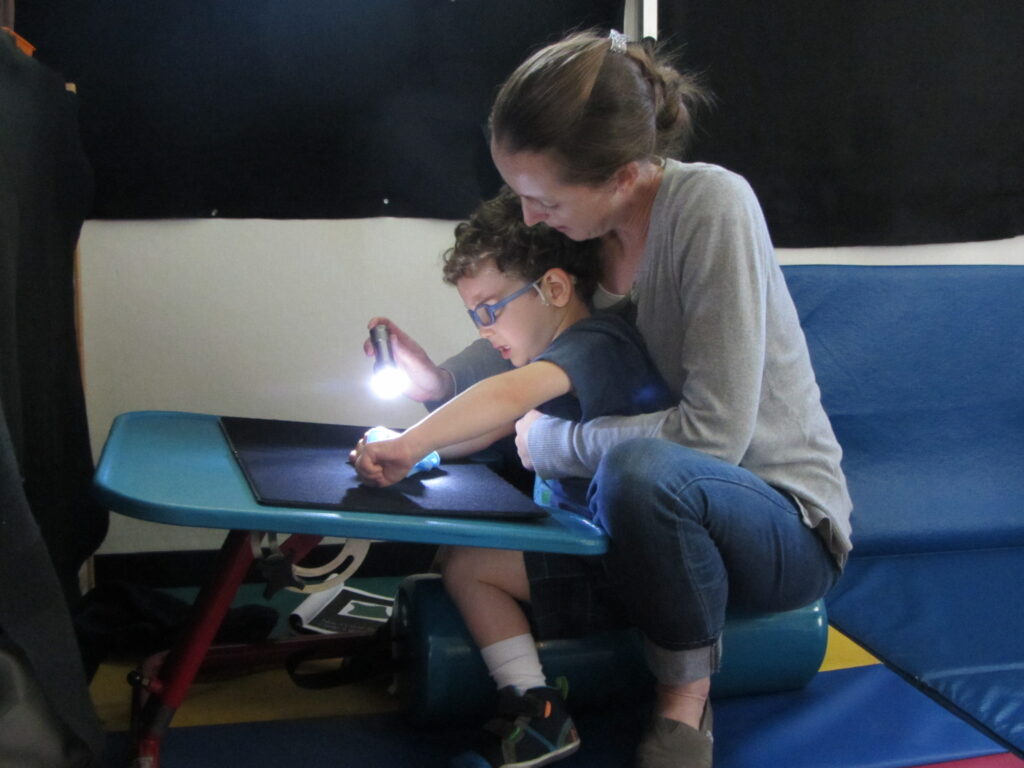
The assessment begins by determining the student’s field preferences, color preferences, need for movement, light and visual latency.
Only viewing objects/light/etc. within certain fields (upper, lower, lateral, and midline).
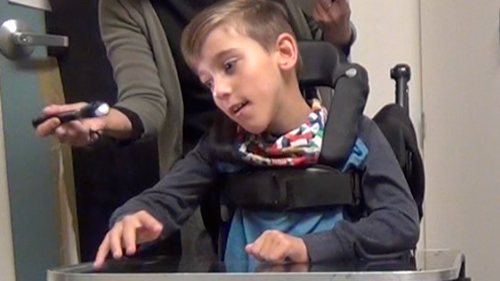
Exhibiting a strong visual attraction towards a target of a particular color (e.g., red or yellow).
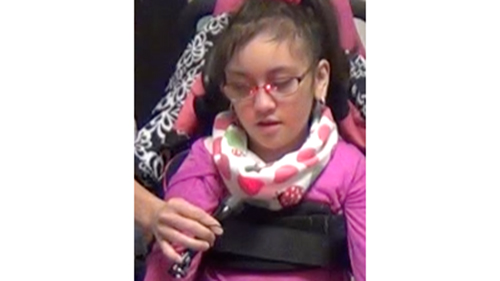
The tendency to be visually attracted towards objects that move or have properties of movement through shiny or reflective materials rather than objects that are still. This may also manifest in that the student attends better visually while in movement (e.g., moving whole body in walker or moving head back and forth over a still object).
The degree to which light attracts a visual response.
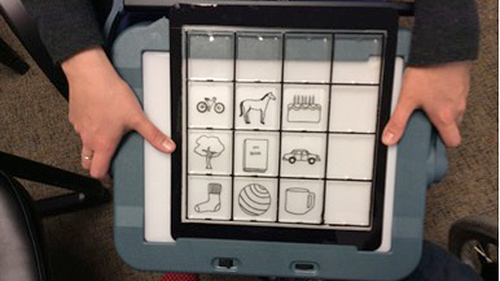
The time it takes to visually orient towards and/or look at a target. For our students, latency may be due to vision and/or influenced by their physical impairment. Whatever the reason for the latency, it is important to document how much time should be given to a student to visually target an object and when the object should be moved into their visual field to better support their physical needs.
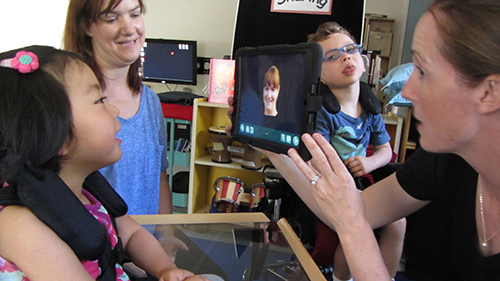
Supplies needed to assess these characteristics in the direct assessment:
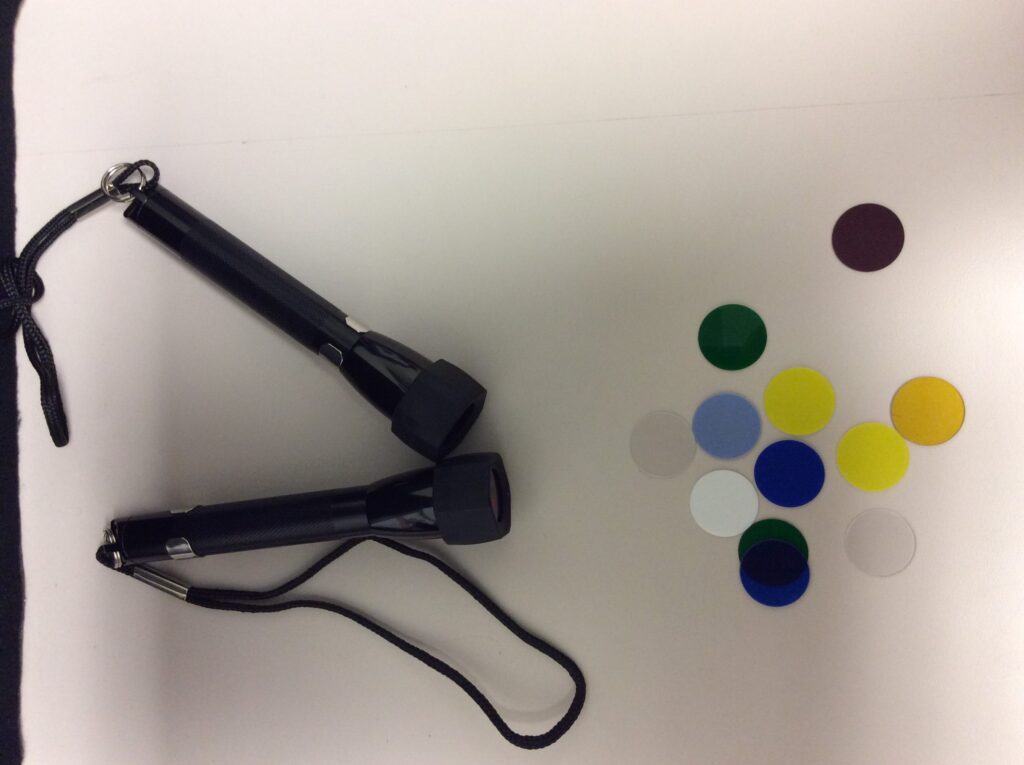
A mag light with different colored filters can be used in a variety of ways in the assessment process.
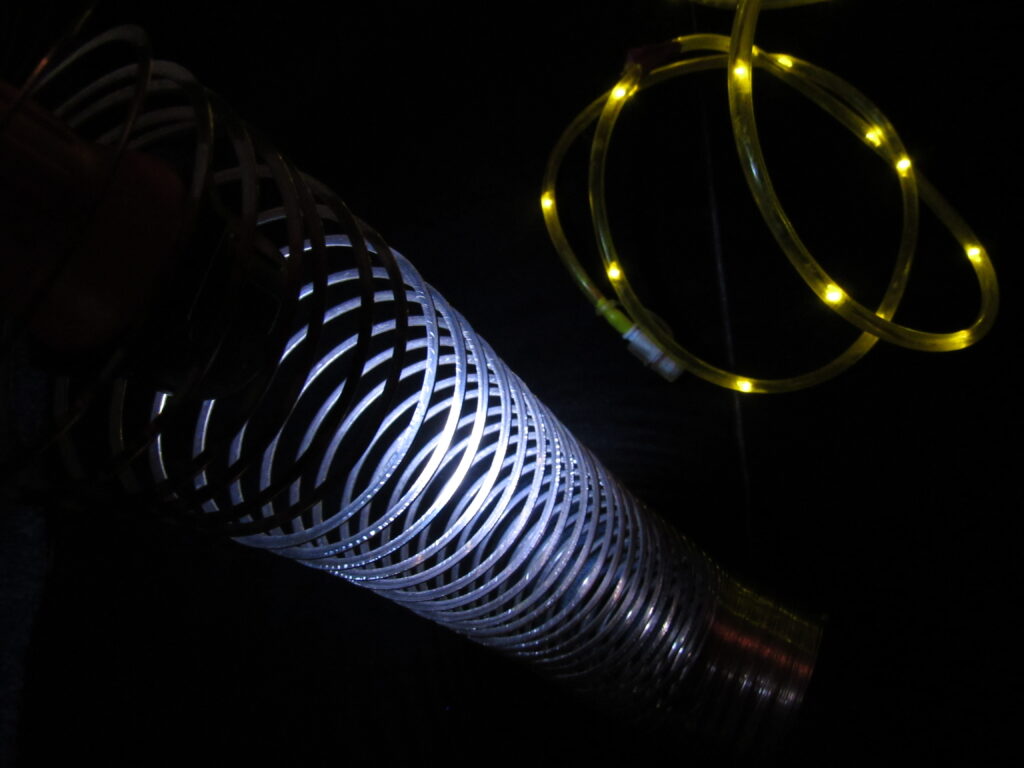
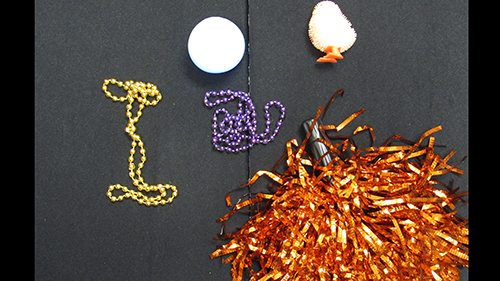
Light and movement are used to determine if lights, shiny objects and light paired with movement (a light shining on a slinky) can consistently recruit vision for students who typically demonstrate minimal functional vision. Rope lights, beads, light up balls, mylar and a slinky are used during the assessment.
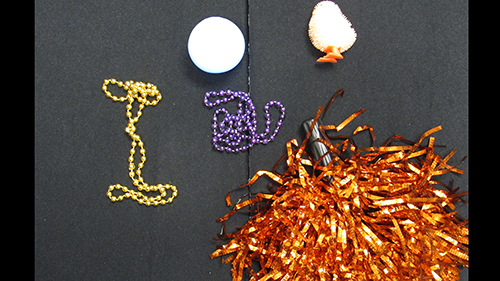
Rope lights, beads, light up balls, mylar and a slinky are used during the assessment.
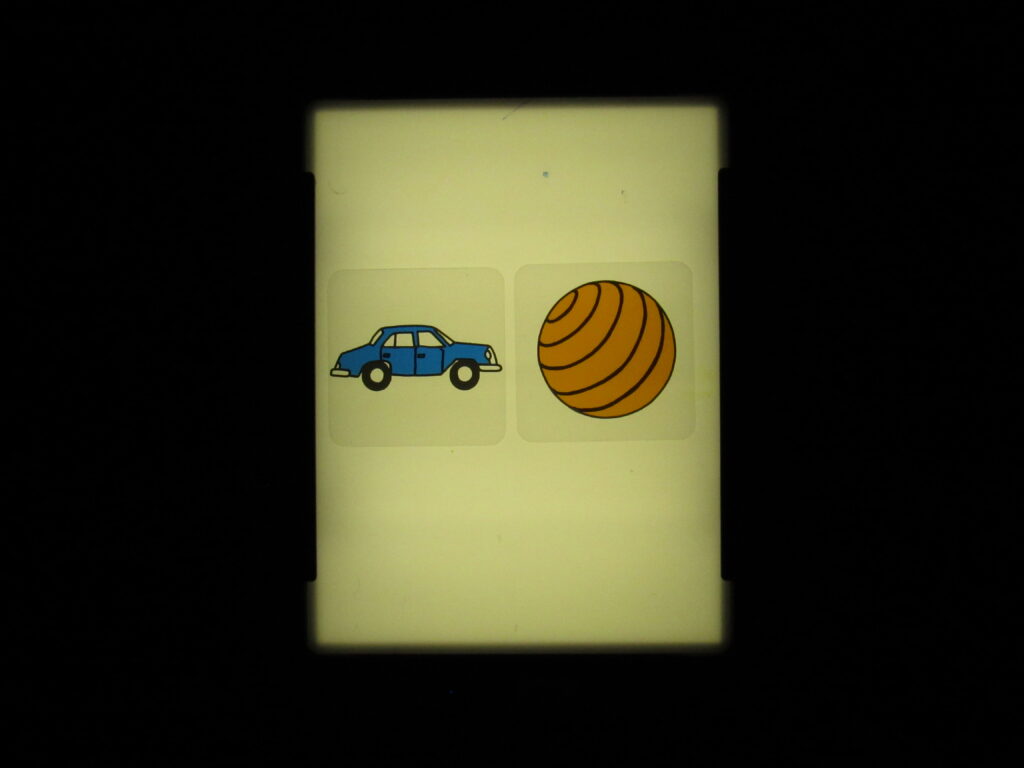
Light can also be used to assess if students benefit from consistent light sources for learning. Here a 2-dimensional drawing is presented on a light box.

Another example is a 2-dimensional picture presented on an iPad.
Each contribution makes a difference in the lives of our children. Visit our secure donation page and fill out the form to make your secure online donation.

The Bridge School
545 Eucalyptus Avenue
Hillsborough, CA 94010-6404
T: 650-696-7295
F: 650-342-7598
© The Bridge School